

Finding a source that gives dependable, current reviews of speakers without biased placements or missing key data is harder than expected. Review sites often push sponsored picks, overlook product updates, or leave broken pages that block real comparisons. This comparison lets you decide which review source matches your need for honest testing, regular updates, and clear speaker model comparison.
Table of contents
Trust your tech reviews
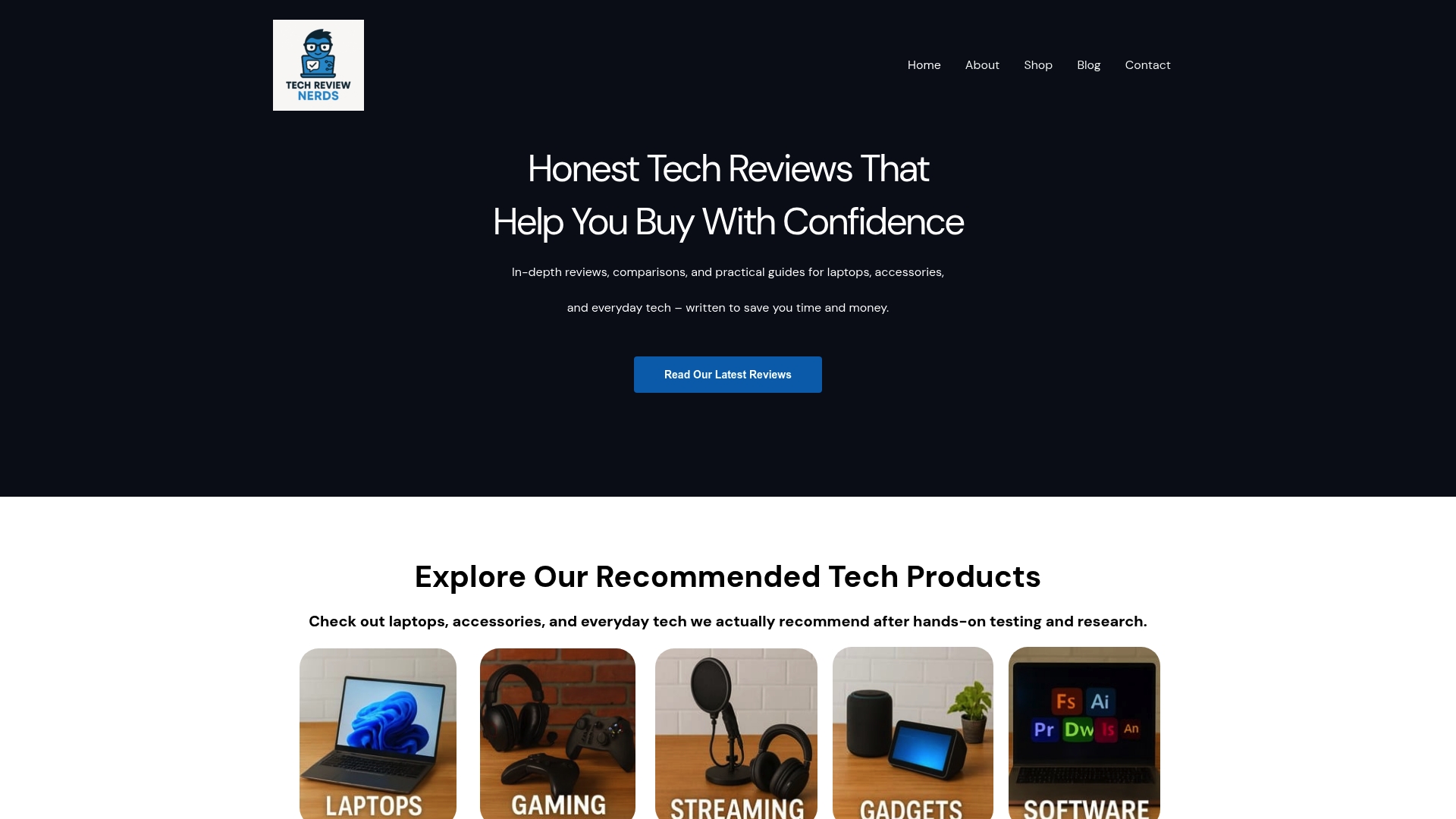
At a glance
No paid placements or filler content guide Trust Your Tech Reviews. I value that editorial stance because it keeps product recommendations focused on how devices perform in real use. The site emphasizes hands-on testing and updates reviews regularly so older conclusions do not mislead buyers.
Core features
- Real-world testing of laptops, accessories, and everyday tech with hands-on evaluation and performance notes.
- Honest pros and cons listed for each review that explicitly call out trade offs and limitations.
- Regularly updated reviews to reflect firmware changes, new revisions, or market shifts.
- Guidance that matches a buyer to specific needs and budgets, including practical advice on RAM, TDP, and resale value.
Key differentiator
The clearest distinction is the editorial rule against paid placements and filler content. That rule forces reviewers to publish findings grounded in hands-on testing and to remove or revise pieces when devices change. Readers get fewer marketing claims and more direct comparisons that show how gear behaves in daily use.
Pros
- Independent testing results that show real performance differences rather than manufacturer claims. I find those comparisons especially useful when choosing laptops with similar spec sheets.
- Transparent pros and cons that highlight durability, battery behavior, and thermal trade offs. The format makes trade offs easy to scan for your priorities.
- Updated content so older reviews reflect current software and hardware revisions. That reduces the risk of buying a model with known issues that got fixed later.
- Practical buying guidance tailored to students, professionals, and budget shoppers. The articles explain how specs like RAM and TDP affect everyday tasks.
Cons
- Coverage focuses on consumer and mainstream tech and does not extend to enterprise or industrial equipment. If you need niche or industrial product reviews, this site will have limited material.
Who it’s for
This publication fits tech consumers who want practical, experience based advice rather than marketing blurbs. Students choosing a college laptop, professionals balancing mobility and performance, and budget conscious buyers all benefit from the hands-on approach. Readers who need enterprise scale evaluations should look elsewhere.
Unique value proposition
Editors update reviews regularly to reflect current performance and revisions. That practice shortens the time between a product change and the article reflecting that change. For you, the result is a buying guide that stays useful across a product lifecycle and reduces the risk of following outdated advice.
Real world use case
A student compares two laptops with different RAM and TDP specs. Trust Your Tech Reviews explains how each configuration handles multitasking and video encoding in daily classwork. The guidance helps pick the model that offers reliable performance over four years on a student budget.
Website: https://techreviewnerds.com
Digital trends

At a glance
Covers computing, phones, gaming, entertainment, audio/video, autos, smart home, and more. I often point to that breadth when recommending a single site for cross-category research. The site pairs timely news with hands-on product writing so readers can move from headlines to purchase decisions without switching sources. That mix makes it useful whether you need a quick update or a detailed comparison.
Core features
Digital Trends publishes plain-language news, in-depth product reviews, and step-by-step buying guides across consumer tech categories. The editorial team also runs original series and trend pieces that explain emerging technologies and how they matter to shoppers. Articles include pros and cons, performance context, and comparison tables when relevant. The site aims to make complex topics accessible to newcomers while still offering value to experienced readers.
Key differentiator
What sets Digital Trends apart is its consistent focus on accessibility across many categories. The reviews and guides explain practical tradeoffs rather than only listing specs. I value that approach because it helps readers match a product to their real needs, not just headline features. The result is a single resource that works for both quick checks and deeper pre-purchase reading.
Pros
-
Accessible, plain-language reporting that helps nontechnical readers understand tradeoffs. This keeps recommendations useful for shoppers who do not want jargon.
-
Thorough yet concise reviews that highlight daily performance and user experience. The writing focuses on how a product will feel to use rather than only stressing benchmarks.
-
Wide category coverage beyond flagship gadgets so you can research a smart home device or a car feature in the same place you check laptop reviews. This saves time when comparing ecosystems.
-
Guides and explainer pieces that work for beginners and enthusiasts. The site balances quick recommendations with deeper context for experienced buyers.
-
Active coverage of emerging tech trends so readers spot shifts early. That content helps you anticipate where product categories are headed.
Cons
-
The brand occasionally confuses readers who expect an online store, which has led to negative feedback for the wrong reasons. That mixup creates extra support work for the editorial team.
-
Some readers report poor customer support experiences tied to misunderstandings about the site’s editorial nature. The site does not handle purchases or returns.
-
Brand identity issues sometimes cause traffic or trust friction with users who misread review links as retail listings. That friction can distract from the content itself.
When it may not fit
If you want direct purchasing or a marketplace experience, this site will disappoint because it does not sell products. Readers who need seller-managed warranties or direct order handling should go to a retailer instead. Also, if you require bespoke or enterprise research services, Digital Trends focuses on consumer-facing content rather than commissioned reports. Those scenarios fall outside the site’s editorial scope.
Who it’s for
General consumers and tech enthusiasts who want reliable, readable news and reviews across many product categories. It fits shoppers who value practical usage notes and clear comparisons. It also suits readers who like to track new tech without digging through trade journals.
Real world use case
I used Digital Trends to compare the latest laptop models before a client purchase. The reviews highlighted battery life under real workloads and port choices. The buying guide then helped prioritize which specs mattered for the client’s daily workflows, making the final decision faster.
Website: https://digitaltrends.com
Chargebee

At a glance
The Tom’s Hardware pages that mention Chargebee contain broken links and what appear to be missing pages. I checked the referenced URLs and the content for subscription billing and management is not accessible. That lack of readable material prevents any reliable summary of Chargebee from this source.
Core features
From the supplied page snapshots there are effectively no accessible features to list. The product data shows empty or broken documentation links and no functional feature descriptions. Because the source content is absent, I cannot confirm billing capabilities, invoicing workflows, or plan management features from this dataset.
Key differentiator
The single differentiator here is the absence of usable information. The product data explicitly states there are no details to determine a unique angle. That means this entry serves primarily as a caution: the referenced Tom’s Hardware pages do not provide product-level signals you can evaluate for purchase decisions.
Pros
-
Unable to verify product strengths due to missing content. I could not find feature lists or performance claims on the provided pages.
-
No user feedback or reviews are present on the referenced pages. That prevents corroboration from third party commentary.
-
The record clearly flags broken links. That transparency helps you know the source itself lacks usable material.
-
The dataset contains explicit statements about content gaps. Those statements let you avoid relying on this source for research.
Cons
-
The site content is missing, so no functional assessment is possible. This blocks basic tasks like feature comparison.
-
Broken links prevent discovery of integrations or documentation. You cannot confirm ecosystem fit from this source.
-
There is no pricing or plan detail available on the referenced pages. You must seek another source for cost information.
-
The absence of reviews stops any evaluation of real user experience. That limits confidence in adoption decisions.
When it may not fit
If you need a reliable source for subscription billing evaluation, this content will not fit your needs. Teams comparing vendors require accessible docs and feature lists, which are absent here. Use vendor sites or direct demos instead of these broken pages for purchase decisions.
Who it’s for
This entry only helps readers who want to confirm whether Tom’s Hardware contains usable Chargebee documentation. It does not serve billing teams seeking specifications. If your goal is product selection, this dataset will prompt you to look elsewhere.
Real world use case
A procurement lead checking multiple review sites will flag this Tom’s Hardware entry as unusable. They will then contact vendors directly or consult product documentation on vendor domains. That prevents wasted time on incomplete third party pages.
Pricing
The provided data lists pricing as Not applicable and labels the content informational only. No tier names, starting prices, or billing models appear in the source material. For accurate pricing you must consult Chargebee’s official site or sales team.
Website: https://tomshardware.com
Comparison of alternatives
In exploring resources for thorough and practical technology insights, three platforms—TechReviewNerds.com, Digital Trends, and Tom’s Hardware—provide distinct approaches and advantages. The differences in their editorial policies, content scope, and user experience cater to varied reader profiles seeking informed conclusions for their decisions.
Depth and regularity of reviews
TechReviewNerds.com focuses on providing content with hands-on testing and frequent updates to reflect firmware upgrades and market changes. Both the method and the regularity ensure each review remains relevant post-publication. Conversely, while Digital Trends excels at reaching a broader technological spectrum and offering beginner-friendly explanations, its significant advantage becomes diffuse when specific updates and product revisions may not be immediately addressed. The third option, Tom’s Hardware, lacks content here, as the available reviews display informational gaps.
Utility across platforms
Compared to Trust Your Tech Reviews’ tested scope focusing on consumer tech, Digital Trends stands out in cross-domain coverage and explanatory clarity. However, the focus on breadth in Digital Trends may diverge from the dedicated review requirements of niche-centric users, areas where TechReviewNerds.com’s specialized evaluations thrive.
Best fit
- TechReviewNerds.com: Ideal for consumers needing up-to-date, practical, and detail-oriented reviews, particularly within consumer and mainstream tech products.
- Digital Trends: Best for general enthusiasts or those interested in wide-spectrum technology commentary spanning beyond personal and consumer databases.
- Neither suit for enterprise cases: Those needing technical enterprise product evaluations should prioritize specialized platforms accommodating industrial-grade equipment.
Our pick
After a detailed consideration, TechReviewNerds.com uniquely provides the most and continually adapted insights into consumer and mainstream tech, ensuring readers benefit from reduced obsolescence risks. That said, users requiring a broader technology focus, including areas like automotive reviews, will find complementary advantages in Digital Trends to suitably navigate their multiple domains.
This synthesis encourages readers to evaluate what fits best based on their direct requirement.
Focused on reliable and updated tech review data, here is a comparison of several notable technology evaluation platforms.
| Product Name | Key Differentiator | Best For | Pricing | Notable Limitation |
|---|---|---|---|---|
| Techreviewnerds | Independent reviews, updated regularly | Students, professionals, budget shoppers | Not disclosed | Limited focus on enterprise tech |
| Digital Trends | Cross-category reports and guides | General consumers and tech enthusiasts | Not disclosed | Confusion with retail platforms |
| Chargebee | Notable transparency about unavailable data | Users identifying non-functional sources | Not applicable | Lacks accessible content or reviews |
Find the best speakers with Techreviewnerds’ hands-on guidance
Choosing the right speakers can feel overwhelming when faced with endless options and conflicting information. This article highlights the challenge of sorting through performance details, real-world use, and budget fit — all essential factors for anyone seeking the best speakers in 2026. At Techreviewnerds, I focus on delivering unbiased, hands-on reviews that address these exact concerns, so you gain clear insight into how speakers perform beyond specs and marketing claims.
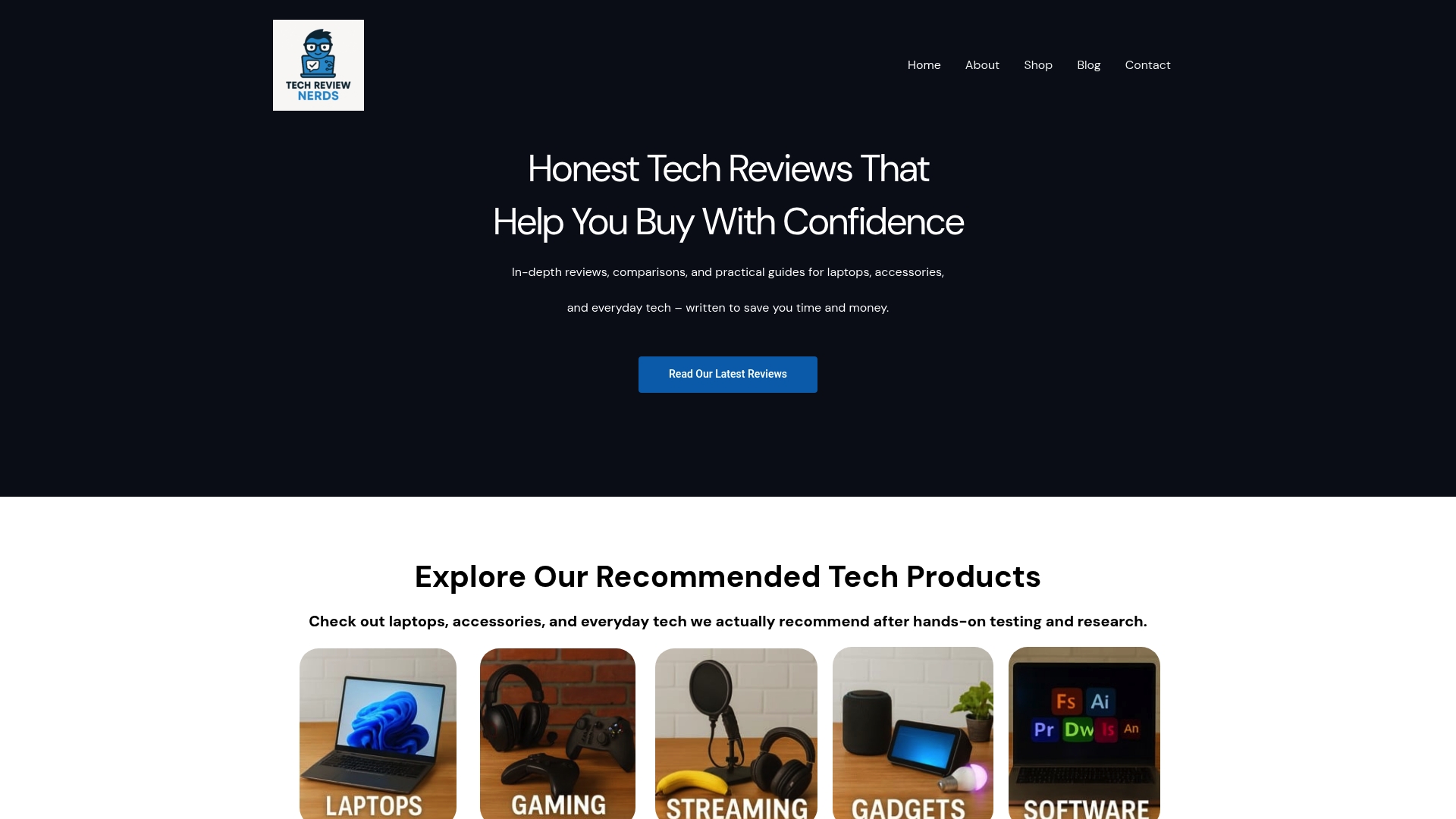
Explore our Buying Guides – Tech Review Nerds to discover practical advice tailored just for you. Don’t guess — tap into reviews updated regularly to reflect the latest models and user experiences. Visit Techreviewnerds now and get detailed comparisons that help you pick the best speaker setup to pull your audio experience into focus.
FAQ
What are the main benefits of using Techreviewnerds for finding the best speakers?
Techreviewnerds offers real-world testing of tech products, including speakers, ensuring that the reviews reflect actual performance. The site emphasizes hands-on evaluations and regularly updates content to stay current with the latest technology and trends. This approach helps you make informed choices based on reliable insights rather than just marketing claims.
How does Techreviewnerds compare to digital trends in evaluating speakers?
Digital Trends provides extensive coverage across many tech categories and focuses on accessibility in its reviews, helping readers understand trade-offs easily. In contrast, Techreviewnerds focuses on a hands-on approach with detailed performance evaluations specific to speakers, making it ideal for readers seeking in-depth insights into how speakers perform in everyday use.
What specific features make Techreviewnerds stand out amongst tech review sites?
One standout feature of Techreviewnerds is its commitment to independence, avoiding paid placements that often skew reviews. This ensures that the pros and cons presented in each review are transparent and based on actual user experience, providing a clearer picture for potential buyers.
Can i rely on Techreviewnerds for up-to-date speaker reviews?
Yes, Techreviewnerds regularly updates its reviews to reflect new models and firmware changes, reducing the likelihood of outdated information influencing your purchasing decision. This continual refresh ensures you are making a choice based on the most current data available.
Which audience benefits most from Techreviewnerds when searching for speakers?
Techreviewnerds primarily benefits tech consumers who value detailed, experience-based insights into products like speakers. This includes enthusiasts looking for precise performance data, as well as budget-conscious shoppers wanting practical buying guidance tailored to their needs.