

Finding reliable, independent sources for laptop battery reviews and practical buying guides is harder than it should be. Many sites gate technical details behind paywalls or remove product pages, so shoppers cannot easily compare specifications or real-world test results. This summary lets consumers and tech enthusiasts weigh four review sites for depth, independence, and transparency before picking one for laptop battery advice.
Table of Contents
Tech Review Nerds
At a Glance
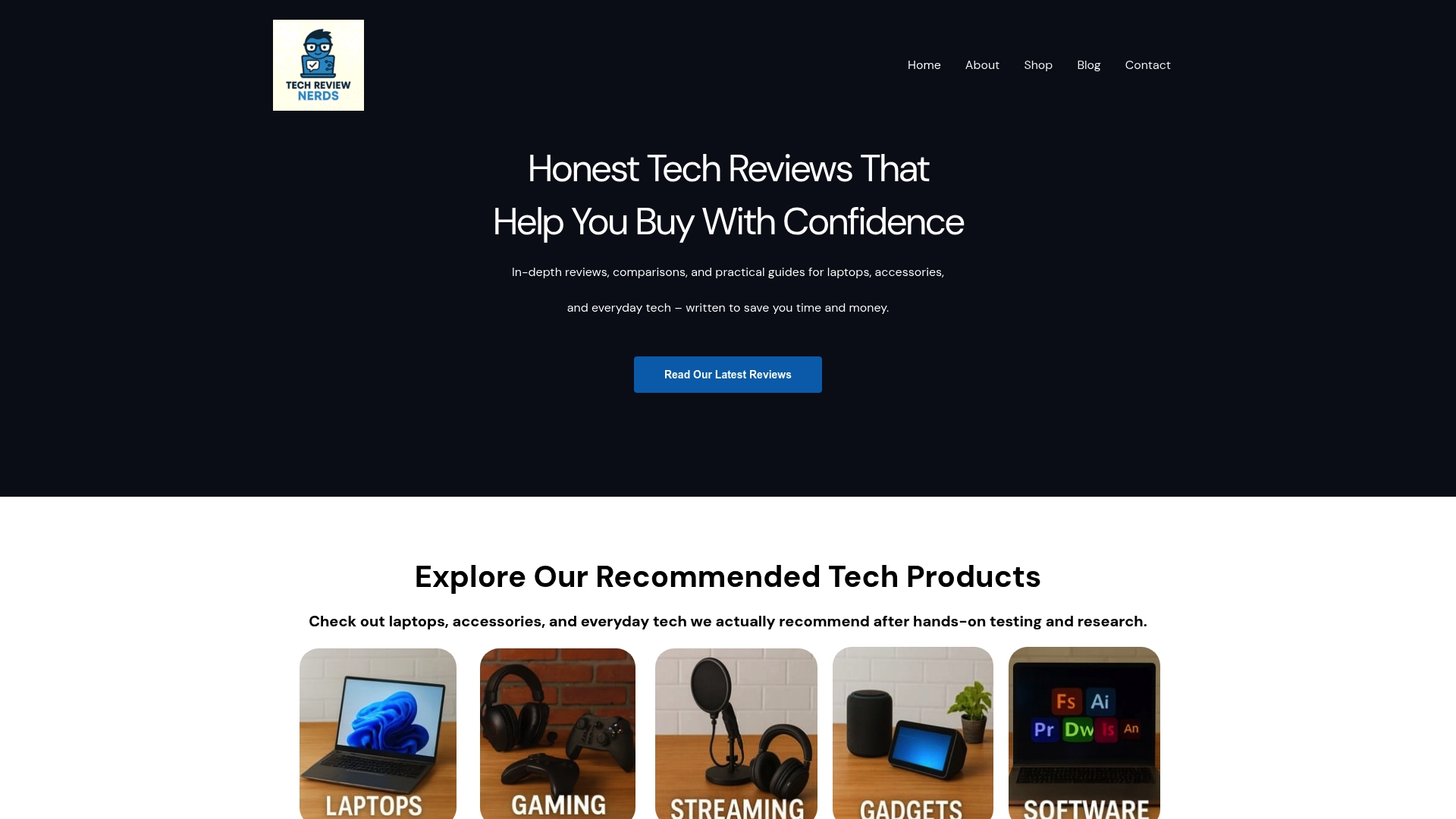
Independent, hands-on tests back most laptop and accessory reviews, and interactive troubleshooting tools appear alongside many guides. The site updates content regularly and focuses on practical buying advice rather than promotional blurbs. That combination makes it easier to compare real-world trade-offs when battery life, weight, and price conflict.
Core Features
The editorial team publishes independent reviews based on real testing and maintains practical comparison tools and buying guides. The site also includes interactive troubleshooting tools for setup and repairs and a steady cadence of updates to keep recommendations current. Each review lists honest pros and cons with emphasis on real-world usability.
Key Differentiator
No paid placements shape editorial conclusions. Instead, hands-on testing and frequent guide updates form the decision criteria for recommendations. That independence clarifies why a laptop battery or accessory earns a specific score or placement in comparative pieces.
Pros
Tech Review Nerds presents clear performance data and side-by-side comparisons that speed up decision making. Coverage spans laptops, accessories, and software so readers can find alternatives for different budgets and use cases. The site’s emphasis on usable guidance and step-by-step troubleshooting reduces time spent diagnosing problems or second-guessing a purchase. These strengths help both casual buyers and more technically minded readers.
Cons
- Some advanced technical details sit behind a paywall, which limits access to deep telemetry and long-form test logs for readers who do not subscribe.
Who It’s For
This publication suits consumers and tech enthusiasts who want trustworthy, thoroughly tested reviews and practical buying advice. Readers who value independent testing over sponsored content will find the format helpful. Those looking for enterprise-grade or highly specialized professional tool coverage will find the focus more consumer oriented.
Unique Value Proposition
The site’s interactive troubleshooting tools cut support time by guiding readers through step-by-step fixes and common setup tasks. That feature reduces the need to contact support or visit repair shops for simple battery calibration and setup issues. For readers weighing the cost of a repair versus a replacement battery, the tools help quantify effort and downtime.
Real World Use Case
A college student choosing a lightweight laptop can read test-based battery runtimes, compare models using the site’s comparison tool, and follow step-by-step setup guides after purchase. A gamer can cross-check sustained performance data before buying and use troubleshooting guides to tune power profiles later. Those workflows keep purchase mistakes and avoidable support calls to a minimum.
Website: https://techreviewnerds.com
Notebookcheck.net

At a Glance
Notebookcheck.net publishes highly detailed hardware benchmarks and thermal testing data across many laptop models. Its review pages list raw benchmark scores, power draw numbers, and measured temperatures for CPU and GPU under load. Cloudflare bot protections sometimes block access for users with strict network setups.
Core Features
Notebookcheck.net combines full device reviews with benchmark charts and side by side comparison tables that show score differences between models. Reviews include measured power consumption traces and thermal behavior under sustained load, which helps reveal how performance holds up beyond short bursts. A dedicated news section tracks hardware launches and vendor updates relevant to buyers and reviewers. Comparison tools let you line up specs and scores for direct model-to-model checks.
Key Differentiator
The site stands out for the depth of its thermal testing and the public release of raw measurements. Review pages publish raw measurements and graphs that illustrate test results. That focus makes it easier to compare real world cooling performance across models and spot sustained performance trends.
Pros
Its reviews go beyond marketing claims and show measured scores for CPU and GPU across standard tests. You can find power draw traces, sustained clock behavior, and temperature logs on many model pages. That level of transparency helps buyers judge performance under prolonged gaming or heavy productivity. Coverage spans laptops, smartphones, and other consumer devices, which broadens comparative context across product classes.
Cons
-
Focused on hardware testing. It does not cover software, operating systems, or service reviews.
-
Cloudflare security measures can block access for some users. That creates inconvenience for people on restricted networks or unusual browser setups.
-
The volume of raw data can overwhelm readers unfamiliar with benchmarks. Beginners may struggle to interpret technical charts and score tables.
When It May Not Fit
If you mainly want software reviews or usability testing, this site will feel narrow. People behind strict corporate proxies or unusual browser settings may be blocked by the sites security checks. Companies or readers needing broad service coverage should consult other publications that cover software and user experience. Casual buyers who prefer short, nontechnical summaries may find the depth excessive.
Who It’s For
The site suits hardware enthusiasts and reviewers who need measured thermal and power data. It fits buyers who choose laptops by sustained performance rather than peak single-run scores. Industry engineers and journalists use its figures for technical comparisons and verification. Readers comfortable with charts and raw numbers will gain the most value.
Real World Use Case
A gamer deciding between two RTX laptops can compare sustained GPU clocks and surface temperatures on Notebookcheck.net. The benchmark charts show how performance holds up during long sessions and how much the chassis heats the palm rest. That data helps pick a model that keeps frame rates steady and avoids thermal throttling. Use the comparison tables to match measured power draw with vendor battery life claims.
Website: https://notebookcheck.net
RTINGS.com
At a Glance
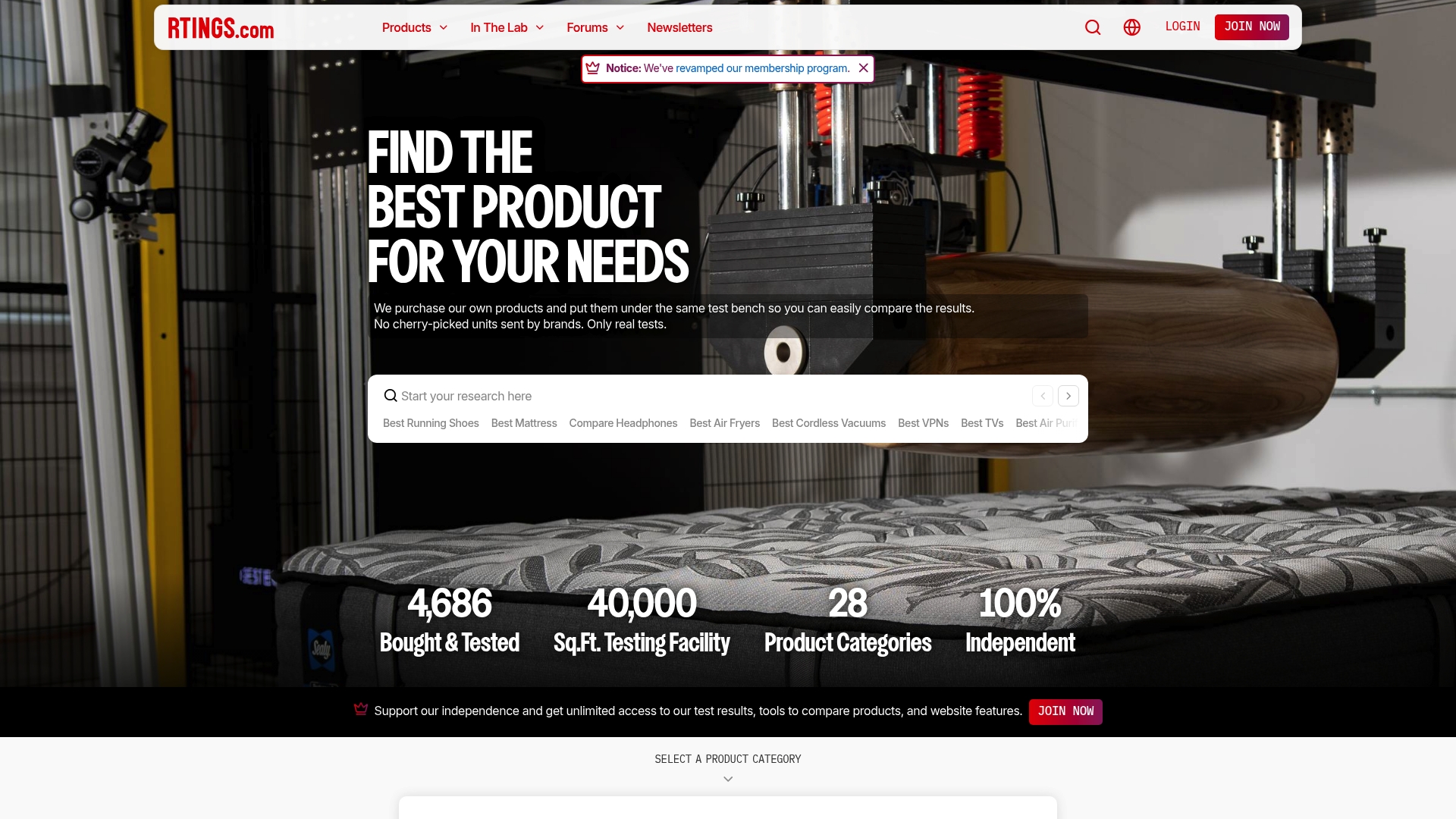
RTINGS.com states it buys and tests all retail products itself to avoid brand influence. That practice yields side-by-side scores and detailed measurement data across TVs, headphones, and appliances. The site recently revised its membership program to support longer, more in-depth testing.
Core Features
RTINGS.com pairs real product tests with a standardized testing methodology so results remain comparable across models and categories. The editorial team publishes full test procedures, step-by-step results, and downloadable measurement files for readers who want the raw numbers. Community voting helps the team prioritize which models to test next.
Key Differentiator
The single largest distinction is that RTINGS.com says it purchases every item it reviews. That claim underpins the sites editorial independence and its stated policy of no sponsored reviews. For shoppers, that practice means the review scores and measurements come from retail units rather than manufacturer samples.
Pros
RTINGS.com documents its procedures clearly, which makes its findings easy to audit and reproduce. The site covers a wide range of categories, so you can compare TVs, headphones, and appliances with consistent metrics. Community input steers the review pipeline, which aligns testing priorities with what shoppers ask for.
Cons
- Limited sample sizes for some products because tests rely on independently purchased retail units.
- Testing can lag for very new models due to the time required for thorough measurements.
- Some niche categories receive less frequent coverage compared to mainstream electronics.
When It May Not Fit
If you need immediate coverage of a hot new release, RTINGS.com may not meet that need because of its methodical testing cadence. If you require tests on non-US retail models, the site may not help since testing uses US market units. Fast hands-free comparisons from unverified sources will be easier to find elsewhere, though they lack RTINGSs depth.
Who It’s For
This site suits decisive consumers who prefer data over hype and want reproducible measurements to guide purchases. It works well for shoppers comparing TVs or headphones who value consistent scoring across brands. It also fits people who want transparent methodology they can inspect and reuse.
Real World Use Case
A shopper narrowing TV options can read the sites measured contrast, color accuracy, and input lag numbers to match a set to their living room and gaming needs. The published step-by-step test notes let the shopper verify how measurements were taken before they commit. Community-ranked testing priorities increase the chance the exact model gets covered.
Website: https://rtings.com
TechRadar

At a Glance
The product, pricing, integrations, and use case pages on TechRadar have been moved or removed. That change leaves the site functioning primarily as a technology news and review outlet rather than a product vendor. I found no accessible product or service pages to evaluate on the provided content.
Core Features
The site delivers editorial coverage of technology topics while the supplied content lacks any direct product listings or transactional pages. The available pages emphasize news, reviews, and informational articles rather than product specifications, pricing, or integration details. This makes the site useful for reporting and context but not for buying or integrating products directly.
Key Differentiator
TechRadar’s clear focus is editorial rather than commercial. That focus means readers get reporting and review context but not vendor-style product pages or downloadable assets. The result is a media-first experience aimed at informing readers about technology trends and reviews rather than selling or supporting a specific product.
Pros
The site’s strength lies in its editorial stance and ongoing coverage of technology topics. That editorial focus helps you surface trends, product announcements, and comparative reviews without encountering vendor marketing on the same page. For readers who want a reliable source of news and critique, the site remains a straightforward place to read reported coverage and third party commentary.
Cons
-
Limited or no access to product details due to moved or removed pages. This prevents direct feature comparisons on the site.
-
No specific products or services described, so you cannot find vendor pages or shopping links here.
-
Inability to assess product features, pricing, or integrations from the available content. You must follow external links to vendors for those details.
-
The site design is informational and not transactional, so it does not support purchases, downloads, or integration signups.
When It May Not Fit
If you need to buy laptop batteries directly from a vendor or download product assets, TechRadar will not meet that need. If your workflow depends on product pages, pricing tables, or integration documentation, look to vendor sites or retail listings instead. The site is not structured to serve as a product catalog or integration hub.
Who It’s For
This site suits technology enthusiasts and readers researching product news and reviews rather than people seeking to purchase or integrate hardware directly. You will get value if you want context, comparative reporting, or editorial perspective on battery technology and laptop trends. Industry observers and journalists will also find the editorial format familiar and usable.
Real World Use Case
You want to check recent coverage of laptop battery technologies and learn which models reviewers discussed. TechRadar will give you reported context and review summaries to inform your next search. After reading, you will need to follow manufacturer or retailer links for specifications, pricing, and direct purchase options.
Website: https://techradar.com
Comparing Laptop Reviews and Guides
For users seeking reliable and data-centric resources when choosing laptops or accessories, the following platforms provide unique benefits and methodologies:
| Platform | Key Differentiator | Best For | Pricing | Notable Limitation |
|---|---|---|---|---|
| Techreviewnerds | Interactive troubleshooting tools | Consumers valuing independent testing and guides | Price not published | Advanced technical details behind paywall |
| Notebookcheck.net | Detailed thermal and performance data | Hardware enthusiasts needing thorough benchmarks | Price not published | Cloudflare restrictions and technical data overload |
| RTINGS.com | Purchases products for independent reviews | Shoppers needing standardized scoring across brands | Price not published | Limited sample sizes and U.S.-only retail models |
| TechRadar | Editorial focus on technology trends | Technology enthusiasts wanting reported context | Not offered | No direct product details or purchase options |
Finding the Best Laptop Batteries Can Feel Daunting Without Trusted Guidance
Choosing the best laptop battery requires more than just specs. Readers want reliable data on real use, battery life, and cost-effectiveness to avoid confusing marketing claims. Techreviewnerds meets this need through independent, hands-on testing with clear pros and cons. This approach saves time and builds buyer confidence.
Explore our Buying Guides for detailed comparisons and practical tips. You can also check out Reviews to see thorough evaluations of top models. Step-by-step fixes and usage insights appear regularly in our Tech Tips section.
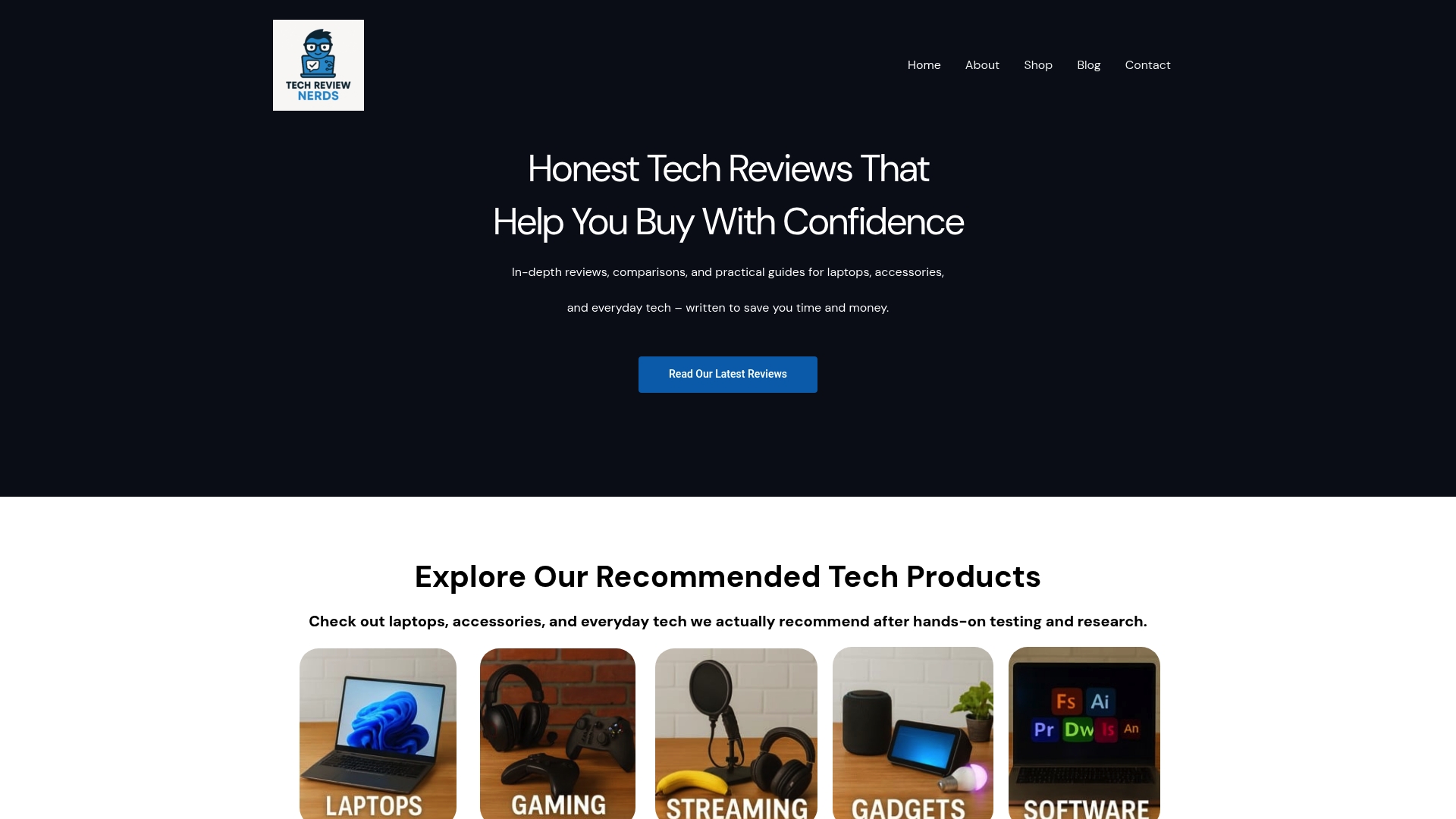
Visit Techreviewnerds at https://techreviewnerds.com to base your laptop battery decision on tested performance and real-world insights that matter for your tech needs.
FAQ
What features make Techreviewnerds ideal for checking the best laptop batteries?
Techreviewnerds provides clear performance data and side-by-side comparisons, helping buyers navigate trade-offs like battery life and price. The site focuses on practical buying advice and provides honest pros and cons, emphasizing real-world usability. Users can confidently evaluate their options and make informed decisions about their laptop battery purchases.
How does Techreviewnerds compare to Notebookcheck.net for laptop battery information?
Notebookcheck.net excels in detailed hardware benchmarks and thermal testing data, showcasing raw benchmark scores and power draw numbers. However, Techreviewnerds shines in providing practical buying advice based on independent reviews, making it more suitable for users looking for usability and clear recommendations on the best laptop batteries.
Can I expect step-by-step troubleshooting guidance on Techreviewnerds?
Techreviewnerds offers interactive troubleshooting tools that guide users through setup and repairs. This feature helps reduce the time spent diagnosing problems, making it easier for readers to fix issues they encounter with their laptop batteries.
Which audience benefits most from Techreviewnerds when exploring the best laptop batteries?
Techreviewnerds caters to consumers and tech enthusiasts who prioritize trustworthy, thoroughly tested reviews. Those looking for practical buying advice and independent testing will find the site particularly helpful, ensuring they make informed choices regarding their laptop battery needs.
How does the independent testing of Techreviewnerds contribute to its reliability?
Techreviewnerds commits to no paid placements, ensuring that its editorial conclusions are based solely on hands-on testing and real data. This independence establishes trust, allowing readers to understand why certain laptop batteries earn their specific ratings based on actual performance.